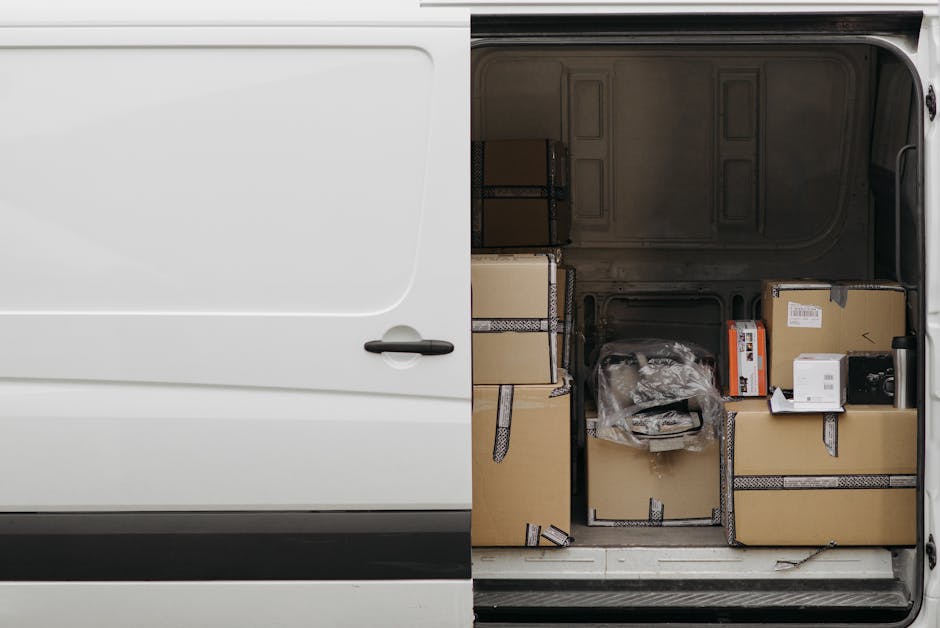
Parking and loading rules for SE11 removal vans
Posted on 18/08/2026
Parking and Loading Rules for SE11 Removal Vans: A Practical Guide for Smooth Moves in Kennington
If you are planning a move in SE11, the parking and loading side of the job can make or break the whole day. A removal van might be perfectly packed, the crew might be on time, and the weather may even behave itself - but if the vehicle cannot stop safely, load quickly, or stay put without causing hassle, the move gets harder fast. That is why understanding Parking and loading rules for SE11 removal vans matters so much. In a place like Kennington, with narrow streets, busy junctions, resident bays, and the occasional awkward flat access, a little planning saves a lot of stress.
This guide breaks down what usually applies, how the process works in practice, and how to avoid the mistakes that lead to delays, extra costs, or annoyed neighbours. It is written for real-life moves, not textbook ones. The kind where the lift is tiny, the sofa is awkward, and everyone wants the van to be there right now.
For broader moving help, it can also be useful to read about flat removals in Kennington and the wider removal services overview before you lock in your moving plan.

Why Parking and loading rules for SE11 removal vans Matters
SE11 is one of those areas where the street scene can look simple until moving day arrives. A van that is fine in an open suburban road can suddenly become a problem on a narrower Kennington street, near a bend, outside a terrace, or opposite a junction where visibility is already tight. That is before you even get to local parking pressure, time restrictions, and the realities of unloading wardrobes, mattresses, and boxes without blocking everyone else.
Parking and loading rules matter because they shape the pace and safety of the move. If the van is placed badly, the crew may have to carry heavy items further than planned. If the stop is not suitable for loading, the driver may need to keep repositioning. If there is no thought given to access, you can end up with a stop-start process that drags on far longer than it should. And yes, that usually means more fatigue, more frustration, and a slightly frazzled tone by mid-morning.
There is also a courtesy angle here. Kennington is a lived-in neighbourhood, not a set piece. Residents still need to get through, pedestrians still use the pavement, and neighbouring properties may have their own deliveries or tradespeople. Good loading practice keeps everyone moving. That sounds obvious, but honestly it is the bit people forget most.
For some moves, the issue is not just the van itself but the access around it. If you are dealing with stairs, lifts, or awkward building entrances, the wider moving picture is worth reading alongside access issues for Kennington flat removals and narrow stair access near Kennington Station.
How Parking and loading rules for SE11 removal vans Works
In practical terms, this topic comes down to three things: where the van can legally stop, how long it can stay there, and whether loading or unloading is allowed within the local conditions at that time. In SE11, you should expect a mix of controlled parking zones, resident-only areas, loading restrictions, yellow lines, single and double lines, and places where the best option is simply to use a bay or a pre-arranged stop rather than improvise.
The key thing to understand is that loading is not always the same as parking. In many street situations, a removal van may be able to stop briefly for active loading or unloading, but that does not mean it can sit there casually while the team takes a long tea break. The activity needs to be continuous and genuinely connected to the move. If the team is carrying items in and out, that is very different from leaving the van unattended while they search for a lost key or wait for a lift.
Timing also matters. Early morning moves may feel easier because the road is quieter, but restrictions still apply. Later in the day, you may have more traffic, more pressure on nearby bays, and a higher chance of another vehicle taking the space you were hoping to use. In short: a good plan beats a hopeful one every time.
There are a few typical loading scenarios in SE11:
- Short kerbside loading where the van can pull up close and items are moved straight in or out.
- Bay-based loading where the van uses a legal bay, often with a time limit.
- Restricted street loading where special caution is needed because of signs, times, or local traffic control.
- Building-managed loading where a concierge, landlord, or block manager controls access or permits.
For people moving from smaller homes, it is often worth looking at man and van services in Kennington or a more structured house removal service depending on the size and complexity of the load. The vehicle choice changes the parking strategy too, so that part is not trivial.
Key Benefits and Practical Advantages
Getting parking and loading right is not just about avoiding tickets, although that is a nice bonus. The real benefit is that the whole move becomes smoother and more predictable. That is what everyone wants on moving day, after all.
Better time control. When the van has a sensible stop, the team can work efficiently. Fewer repositioning manoeuvres mean fewer lost minutes. And minutes matter when you are on a moving day clock.
Safer lifting and carrying. A shorter carry from van to door reduces strain. That matters for large furniture, awkward boxes, and anything fragile. Fewer steps, fewer turns, fewer chances to bump a wall or scrape a frame.
Less stress for neighbours. Good loading practice reduces blocking, noise, and confusion. That keeps the move friendlier and lowers the chance of a complaint before the kettle has even boiled.
Lower risk of damage. If items are carried over a sensible distance and the van is positioned well, you reduce the chance of rushed handling. It sounds small, but one bad turn through a narrow entrance can ruin the mood.
More accurate planning. Once you know where the van can stop, you can estimate crew size, carrying distance, and timing much more realistically. That helps with quotes too. If you want to compare different move types, the page on pricing and quotes is a sensible place to start.
Expert summary: In SE11, the best parking arrangement is usually the one that reduces carry distance without creating legal or access problems. Not the closest spot, not the easiest-looking space - the one that actually works from start to finish.
Who This Is For and When It Makes Sense
This topic is relevant to almost anyone moving in or out of SE11, but some situations make it especially important.
- Flat movers dealing with shared entrances, stairwells, or limited outside space.
- House movers
- Students who may be moving fast, with lighter loads but very little room for error.
- Office movers where timing, vehicle access, and keeping disruption down all matter.
- Anyone using a man with a van for a smaller move where parking flexibility is part of the appeal.
It also makes sense if you are moving near busier landmarks, transport links, or event-heavy stretches where the road pattern changes through the day. SE11 is not one uniform environment. Some streets are calmer than others, and some seem fine until you see them at peak time. That is just London, really.
If your move is time-sensitive, you may also want to look at same-day removals in Kennington or explore student removals if the move is small but urgent.
Step-by-Step Guidance
Here is a practical way to approach parking and loading for an SE11 move without turning the day into a guessing game.
- Check the street setup in advance. Look at the road width, bay markings, nearby junctions, and whether there is any obvious loading space near the property entrance.
- Identify restrictions before moving day. Pay attention to signs, time-limited bays, yellow lines, and any local conditions that affect stopping. Do not assume a van can simply pause anywhere because "it's only ten minutes." That is the sort of assumption that creates a headache.
- Measure the carry route. From van to front door, think about doors, steps, pavement width, and the distance to the lift if there is one. A short-looking route can become surprisingly awkward when you add a fridge.
- Match the vehicle to the location. A smaller vehicle can be easier to place in tight streets. A larger removal van can be more efficient for volume, but only if the access suits it.
- Decide who manages the loading point. One person should coordinate the driver, the team, and any building contact. Too many voices shouting advice from the pavement is not as helpful as people think.
- Keep the loading continuous. Once the van is in position, make sure the process stays active. Items should be moving between property and van in a steady flow.
- Leave a fallback option. If the first stop is blocked, know your second-best location. In a busy area, that backup plan is gold.
For people moving from larger homes or carrying specialist items, you may also want to look at furniture removals in Kennington and, where relevant, piano removals support. A piano does not forgive poor parking. It just doesn't.
Expert Tips for Better Results
After enough moves, a few patterns become very clear.
Tip 1: arrive with a parking plan, not a parking hope. That means knowing the likely stop point, the nearest legal alternative, and whether the van needs to wait briefly while a space clears. Hope is lovely in many areas of life. On a moving day curbside, not so much.
Tip 2: time the van to the property, not just the clock. If the lift can only be booked for a certain slot, or the road gets busier after school runs, let those real-world constraints shape the schedule. The best moving times are often the ones that fit the building, not just the ones that look neat on paper.
Tip 3: keep bulky items staged near the exit. Boxes and bags can be taken in waves, but sofas and wardrobes should be ready to go when the van is in position. Any delay at that point wastes the cleanest part of the loading window.
Tip 4: communicate clearly with neighbours and building staff. If a concierge, porter, or landlord is involved, tell them the approximate arrival time and what vehicle is coming. A quick heads-up can prevent unnecessary friction.
Tip 5: think about weather and pavement safety. A damp morning in Kennington can make doorsteps, ramps, and pavements slick. Not dramatic, just annoying - and enough to slow things down.
Where a move involves a particularly tricky building, the advice in insider tips for narrow stair access can save you from a few avoidable surprises.

Common Mistakes to Avoid
Most parking and loading problems come from a handful of simple mistakes. Luckily, those are the easiest ones to avoid.
- Assuming loading equals free parking. It does not. The stop still needs to be suitable, lawful, and genuinely tied to the move.
- Underestimating vehicle size. A van that is too large for the road may create more trouble than it solves.
- Ignoring building rules. Some blocks have their own loading arrangements, booking systems, or access expectations. Overlooking those can stall the move before it begins.
- Leaving the loading area unmanaged. If nobody is coordinating the process, chaos creeps in. Slowly at first, then all at once.
- Not planning for a second stop. One blocked bay or parked car can throw off the best-laid plan unless you have a backup.
- Arriving with items not ready to load. The van might be there, the crew might be ready, and the boxes might still be half-packed. That is a classic moving-day wobble.
One thing people often forget is how much small delays add up. A five-minute pause here, a blocked doorway there, a bit of confusion about where the van can sit - suddenly the day feels much longer than it should. That is why planning matters even if the move seems "fairly straightforward".
Tools, Resources and Recommendations
You do not need a mountain of equipment to handle parking and loading well, but a few basic tools make life easier.
- Printed move plan: useful for sharing the sequence with the driver and helpers.
- Phone contact list: keep the driver, building contact, and key helper numbers in one place.
- Labels and room markers: speed up loading and reduce confusion when the van is under time pressure.
- Protective packing materials: relevant because rushed loading and poor packing are an awkward combination.
- Measuring tape: handy for checking whether a wardrobe, sofa, or bed frame will fit through the route and into the van efficiently.
If you are still arranging the move itself, the pages on packing and boxes in Kennington, removal van options, and man with a van in Kennington can help you choose a setup that matches the street and the job.
For trust and service standards, it is also worth reading the company's pages on insurance and safety and health and safety policy. Those details matter more than people think when large items are moving near parked vehicles and narrow pavements.
Law, Compliance, Standards, or Best Practice
Parking and loading in SE11 should always be approached with care because local traffic rules, road markings, and access constraints can change from one street to the next. The safest approach is to treat the published signs and any building-specific instructions as the starting point, then plan the move around them.
In UK practice, the big principles are straightforward: do not block traffic, do not create a hazard, do not stop where the restriction clearly forbids it, and do not assume a removals job gives automatic permission to occupy a space. If you are unsure, it is better to check the street conditions carefully than to improvise on the day. That is especially true around busier roads, corner sites, and locations with heavier resident parking.
Best practice usually includes:
- checking the street and building access before the move;
- keeping loading continuous and purposeful;
- respecting resident access and pedestrian space;
- coordinating the van so it is not left awkwardly positioned;
- using a smaller vehicle where the road conditions make that the smarter option.
If a move creates waste, donations, or items for recycling, it is sensible to think about that early too. The page on waste disposal rules for Kennington removals is relevant for that side of the job, and it avoids a messy last-minute pile by the front door. Nobody enjoys that smell of old cardboard and stress.
For customers who want a better sense of the company background and service standards, the about us page is also worth a look.
Options, Methods, or Comparison Table
Different moves need different parking and loading approaches. Here is a simple comparison to help you think it through.
| Approach | Best for | Strengths | Watch-outs |
|---|---|---|---|
| Kerbside loading | Short, direct moves with clear access | Fast and efficient when space allows | Can be limited by restrictions or traffic flow |
| Bay-based loading | Moves where a legal bay is available nearby | Usually stable and predictable | May involve time limits or competition for space |
| Smaller van strategy | Narrow streets or awkward access | Easier to place and manoeuvre | May require more trips or tighter packing |
| Pre-arranged building access | Flats, managed blocks, offices | Reduces confusion and helps timing | Needs coordination and good communication |
There is no single "best" option. The right method depends on the building, the street, the volume, and the timing. A well-run flat move on a tight Kennington road might be smoother with a smaller vehicle. A larger family move on a wider street may work better with a standard removal van and a controlled loading point.
Case Study or Real-World Example
Imagine a couple moving out of a first-floor flat near a busy SE11 road. They have a sofa, bed frames, half a dozen packed boxes, and a few fragile kitchen items. On paper, the load is moderate. In reality, the building entrance sits a little back from the road, the pavement is narrow, and the nearest obvious stop is already half occupied by resident vehicles.
Instead of arriving and hoping for the best, the team checks the likely loading position earlier in the day, identifies a backup spot, and keeps the van size appropriate for the street. The couple also stages the items by room so that the loading sequence stays tight. The result? Less wandering, less double-handling, and a much calmer feel overall. Not perfect, because moving days never are, but far better than the version where everyone stands around guessing who should carry what next.
That sort of planning is especially helpful in areas with tricky access. If your move is similar, the article on SE11 removals for flats on Kennington Road is a useful companion read.
Practical Checklist
Use this checklist a day or two before the move. It is simple, but it covers the important bits.
- Confirm the exact move address and entrance used for loading.
- Check parking signs, bay markings, and any local restrictions near the property.
- Decide whether a smaller vehicle would be easier to place.
- Tell the crew about stairs, lifts, gate codes, or restricted access.
- Make sure heavy items are packed and ready before the van arrives.
- Keep contact details for the driver and building manager to hand.
- Plan a backup loading point in case the first one is blocked.
- Protect floors, door frames, and fragile furniture before moving begins.
- Set aside items you do not want loaded by mistake.
- Keep water, keys, and essentials with you rather than in the van.
Practical takeaway: if the parking is sorted, everything else becomes easier. If it is not, even a simple move can feel strangely hard work.
Conclusion
Parking and loading rules for SE11 removal vans are not glamorous, but they are one of the biggest reasons a move feels smooth or stressful. When you understand the street, the access, the vehicle size, and the loading flow, you protect your time, your belongings, and everyone's patience. That is especially true in Kennington, where the difference between an easy stop and a poor one can be surprisingly small.
The good news is that a strong plan does not have to be complicated. Start with the street, think through the building access, choose the right vehicle, and keep the loading process active. Add a backup option and a bit of local common sense, and you are already ahead of many moving days.
If you are planning a move in SE11 and want help matching the van, access, and timing to the property, it is worth speaking with a team that understands local conditions and can keep the day steady from the first box to the last.
Get a free quote today and see how much you can save.