
Access issues for Kennington flat removals narrow roads and lifts
Posted on 23/06/2026

Access issues for Kennington flat removals: narrow roads and lifts
If you are planning a move in Kennington, you probably already know the awkward bits can arrive before the sofa does. Access issues for Kennington flat removals narrow roads and lifts are not a small detail; they shape the whole day. A van that cannot park close enough, a lift that is too small for a wardrobe, or a staircase that turns sharply on the second landing can all slow things down fast.
This guide explains the real-world problems, how experienced movers work around them, and what you can do before moving day to avoid stress. It is written for people moving in or out of flats, mansion blocks, converted houses, and estates where space is tight and timing matters. In short: fewer surprises, fewer delays, and a much calmer move.
Why Access issues for Kennington flat removals narrow roads and lifts Matters
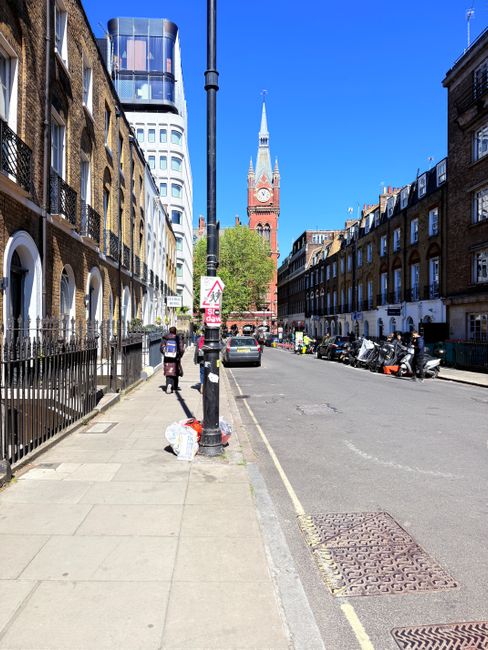
Kennington has the kind of streets and buildings that look charming on a quiet afternoon and then become a bit less charming when a removal van turns up. Narrow roads, parked cars, tight corners, controlled access, shared entrances, and lifts with strict size limits are all part of the picture. That does not mean a move has to be difficult, but it does mean the plan should fit the property, not the other way around.
Access is not just about convenience. It affects safety, time, labour, and the likelihood of damage to furniture, walls, communal areas, or the lift itself. If the team has to carry everything from a distant parking spot, your move will take longer. If the lift is too small, large items may need to go by stairs. If the road is too narrow for a standard van to sit nearby, you may need a smaller vehicle, a shuttle plan, or a timed loading window.
Truth be told, many moving problems start with one simple assumption: "We'll sort it on the day." That is usually the expensive version of optimism. A better approach is to assess access early and build the move around what the building and street can actually support.
If you are comparing moving help, it is worth looking at the wider picture too. Pages such as flat removal support in Kennington, the full service overview, and insurance and safety information can help you understand how a professional team approaches risk, handling, and planning.
How Access issues for Kennington flat removals narrow roads and lifts Works
The basic process is simpler than it sounds. First, the removals team assesses the property and street access. Then they decide what type of vehicle, crew size, timing, and handling method will work best. After that, they map out how items will move from the flat to the van without unnecessary lifting, waiting, or backtracking. It sounds obvious. It often is not done properly.
Here is what is usually checked:
- How close the vehicle can legally and safely park to the building
- Whether the road allows a larger van or only a smaller removal vehicle
- If there are parking suspensions, loading restrictions, or permit needs
- Lift dimensions, weight limits, opening width, and floor access
- Staircase width, landings, handrails, and sharp turns
- Door clearances inside the flat and common areas
- Whether bulky items can be dismantled first
In a Kennington flat, access often changes the whole move strategy. A standard two-person crew might be enough for a straightforward lift move, but a stair-only property may need additional labour, more protective wrapping, and a different loading rhythm. Likewise, a narrow road near the property may mean the van cannot stay in place while the team loads. That is where short carrying distances, vehicle positioning, and timing become crucial.
One practical example: if a fridge fits in the lift but a wardrobe does not, the team may use the lift for smaller boxes and carry the wardrobe down the stairs with proper protection. That hybrid approach saves time and reduces risk. It also keeps the move moving, which is something everyone wants by about 3 p.m. on moving day.
Key Benefits and Practical Advantages
Good access planning does more than prevent hassle. It creates a smoother, safer move from start to finish. The benefits show up in small ways and big ones.
- Less damage risk: when furniture is measured against lifts, stairwells, and doorways before moving day, there is less chance of scrapes and knocks.
- Faster loading: a clear plan for where the van can stop and how items will be carried saves time.
- Better crew allocation: if access is tight, more movers may be needed. If not, you do not pay for unnecessary labour.
- More accurate pricing: access details help reduce surprise charges caused by extra carrying, waiting, or return trips.
- Less stress: honestly, knowing the awkward parts have already been thought through makes a huge difference.
There is also a less obvious benefit: better communication with your building management, neighbours, and any residents affected by the move. When you are prepared, you can give clearer notice, choose sensible timing, and avoid that awkward moment when a van blocks the only workable space outside the entrance. Nobody enjoys that.
For people moving for work, study, or a longer-term home, access planning is part of a wider move strategy. If you are still early in the process, the broader guidance on removals in Kennington and man and van options can help you match the service to the property.
Who This Is For and When It Makes Sense
This topic matters most if your move involves any of the following: a top-floor flat, an older building with narrow stairs, a modern block with a small lift, an estate road with little passing space, or a flat near busy routes where parking is tight. It also matters if you are moving heavy items like wardrobes, sofas, beds, white goods, or anything delicate that cannot be squeezed around a corner.
It is especially relevant for:
- Tenants moving into or out of leasehold flats
- Homeowners in converted properties
- Students with limited parking or lots of shared access points
- Families moving with larger furniture and appliances
- Anyone relocating during a busy weekend or event day
If you are moving in Kennington Road, around the station, or near busier parts of the area, you may already know the street can feel much narrower once delivery vans and resident parking fill up. On paper, everything looks manageable. In real life, a few parked cars can change the whole plan. That is why access checks are not just for large moves. Even a small flat move can benefit from a clear access plan.
For people in specific situations, the following can be useful: student removals if you are moving on a budget, house removals if your move includes mixed access, and storage in Kennington if you need to split the move into stages.
Step-by-Step Guidance
Here is the practical side. Not glamorous, but useful.
- Measure the route. Check the front door, communal hallway, lift entrance, lift interior, stairwell width, and any turns. Measure the biggest items too, not just the boxes.
- Photograph the access points. A few quick phone photos of the road, entrance, stairs, and lift help the removals team judge space properly.
- Ask about parking and loading. Find out where a van can stop, whether the road is restricted, and whether there is a place for short-term loading.
- Check building rules. Some blocks require lift booking, protective padding, weekday time slots, or advance notice to management.
- Identify awkward items early. Large sofas, beds, mirrors, pianos, glass tables, and tall wardrobes need special attention.
- Decide what can be dismantled. Flat-pack furniture and bed frames often move more easily in parts. Keep screws and fittings in labelled bags.
- Plan for lift or stair backup. If the lift fails or is too small, the crew should already know the stair plan.
- Confirm timing. Early morning or midweek moves can be easier in tight streets. Not always, but often enough.
- Prepare the flat. Clear corridors, remove loose rugs, and protect floors if needed.
- Keep contact details handy. If parking changes at the last minute, the team should be able to reach you quickly.
A good removals company will ask many of these questions before move day. If they do not, that is a small warning bell. Not a disaster, but worth noticing.
Expert Tips for Better Results
After enough moves, a pattern emerges: the moves that go smoothly are rarely the ones where people "wing it." They are the ones where the awkward details have been handled in advance.
1. Treat the lift as a shared resource, not private equipment
In flats, lifts are often shared with neighbours, deliveries, and daily traffic. Book the lift if possible, but do not assume you will have exclusive use unless the building says so. Protect the doors and walls where required, and keep movement steady. A stalled lift during peak hours can become everyone's problem very quickly.
2. Do not underestimate turning space
A wardrobe might fit in a hallway and still fail at the corner. That is usually where people get caught out. Tight angles, low ceilings, and banisters can be more limiting than the front door itself.
3. Use a smaller vehicle when the street demands it
In narrow roads, a more compact van can sometimes make the whole move easier, even if it means an extra shuttle or more trips. That may sound slower, but it can be faster overall because the vehicle is positioned properly and the team is not wrestling with a parked giant in a cramped lane.
4. Protect the building as well as the furniture
Communal hallways, entrance frames, lift interiors, and stair edges are all vulnerable. Good protection is not just a nice extra. It keeps neighbours happier and reduces the chance of disputes later.
5. Be honest about the heavy stuff
If the moving team only hears about the grand piano, the American fridge freezer, or the extra-deep sofa when the van arrives, everyone loses time. Mention the bulky items early. For specialist pieces, have a look at piano removals in Kennington and furniture removals support.
A small aside: people often think, "It's just one big item." Then it turns into the item, the awkward corner, the lift that is slightly too small, and three people holding their breath on the stair landing. Life, eh?
Common Mistakes to Avoid
Most access problems are predictable. That is the frustrating part. The upside is that they are also preventable.
- Assuming the lift is large enough: check dimensions, not guesses.
- Ignoring parking reality: a street that looks quiet in the morning may be packed by lunchtime.
- Forgetting the route inside the building: front door access is only the first step.
- Leaving packing too late: rushed packing creates loose, awkward items that are harder to carry safely.
- Not telling the removals team about restrictions: if there are time windows, resident permits, or lift booking rules, say so early.
- Choosing service level only on price: the cheapest quote can become expensive if it ignores access issues.
- Not measuring the biggest item: a couch or wardrobe that is 2 cm too wide can change the entire plan.
One of the most common mistakes is underestimating time. A move that takes 90 minutes in a house with direct driveway access can take much longer in a flat with a narrow road and a small lift. That is not a failure. It is simply how the job works. Better to plan for the space you have than the space you wish you had.
If you want to avoid fee surprises as well as access surprises, the article on avoiding hidden removals fees in Kennington is a smart companion read.
Tools, Resources and Recommendations
You do not need a toolkit the size of a builder's van, but a few simple things make access-heavy flat removals much easier.
- Measuring tape: for doors, lifts, corridors, and furniture.
- Phone camera: quick photos of stairs, road access, and the entrance help everyone visualise the move.
- Labelled packing materials: boxes, tape, and marker pens keep loads organised.
- Protective covers: blankets, wraps, and floor protection reduce wear and tear.
- Basic dismantling tools: for beds, shelving, and flat-pack furniture that can be safely taken apart.
- Lift booking or building notice: if your block requires it, arrange it early.
For moving support, it can help to review the wider services available, including packing and boxes help, removal van options, and man with a van support if your move is smaller but still tricky.
If your move date is tight or you are trying to combine clearing, packing, and transport in one go, same-day support may be worth checking too. It is not for everyone, but sometimes it saves the day. Same-day removals in Kennington can be useful when plans shift at short notice.
Law, Compliance, Standards, or Best Practice
For flat removals, compliance is mostly about safe working, property rules, and common sense applied properly. You are unlikely to be dealing with anything dramatic, but there are important expectations to respect.
In practice, this usually means following building access rules, using appropriate manual handling methods, protecting communal areas, and checking parking restrictions before the vehicle arrives. A reputable removals team should also be clear about insurance, liability, and what is or is not covered. That clarity matters, especially where lifts and tight stairwells raise the chance of accidental damage.
It is also best practice to think about neighbour impact. Noise, blocked entrances, and lift delays can create tension fast. Keeping the move tidy, time-limited, and well-signposted is part of being a good guest in the building, frankly. If you live in a managed block, the management company may have its own rules on lift padding, operational hours, and corridor protection.
For trust and transparency, it helps to understand a provider's policies before booking. Pages such as health and safety policy, complaints procedure, terms and conditions, and accessibility statement can support that due diligence.
Options, Methods, or Comparison Table
Not every access problem needs the same solution. Here is a simple comparison of common approaches.
| Method | Best for | Advantages | Limitations |
|---|---|---|---|
| Standard removal van | Reasonable street access and moderate loads | Efficient for larger volumes | Can be awkward on very narrow roads |
| Smaller van or shuttle approach | Tight roads, restricted parking, estate access | Easier to position and manoeuvre | May require extra trips |
| Stair carry | Small lifts, no lift, or lift restrictions | Works when vertical access is limited | Slower and more physically demanding |
| Disassembly before move | Large furniture and tight corners | Reduces the risk of damage | Takes preparation time |
| Storage split move | Staged relocations or timing gaps | Helps when access or dates do not align | Adds an extra step to the move |
The right choice depends on the building and the street, not the label on the service. A small flat on a narrow Kennington road may be easier with a compact van and a careful carry plan than with a large vehicle that seems more "professional" on paper. Practical beats flashy every time.
Case Study or Real-World Example
Here is a realistic example drawn from the kind of move people often face in Kennington. A couple moving out of a second-floor flat had a narrow internal staircase, a lift that was useful for boxes but too small for a king-size mattress, and a road where parking was limited by resident demand. The removal day was a bit overcast, one of those London mornings where everything feels damp at the edges.
Instead of trying to force a one-size-fits-all solution, the team broke the move into parts. Smaller boxes and softer items went in the lift. The mattress, frame, and one bulky wardrobe section were carried down the stairs with proper protection. The van was positioned as close as possible, and the loading was staggered so there was no bottleneck at the entrance. Because the heavy items had been flagged early, the crew brought enough people to keep the pace steady.
The result was not magical. It was organised. The move still took concentration, and there were a couple of moments where everyone shuffled sideways on the landing and muttered polite apologies, as people do. But the job finished without damage, without a last-minute panic, and without any need to "just take it down again and see." That alone was a win.
If you are planning something similar, the wider move information on flat removals and the company background can help set expectations before you book.
Practical Checklist
Use this before moving day. A quick check now can save a very long afternoon later.
- Measured the biggest furniture items
- Checked lift dimensions and weight limits where relevant
- Confirmed stair width, landings, and turning points
- Photographed entrance, road, and loading access
- Checked parking, permits, or loading restrictions
- Notified building management if required
- Booked lift access or protective padding if needed
- Dismantled large furniture where possible
- Packaged loose items securely
- Shared any awkward items with the removals team in advance
- Checked whether storage might be needed for part of the move
- Kept contact details ready for moving day changes
One more small thing: set aside kettle, chargers, toiletries, and a change of clothes in a separate bag. It sounds basic, but when the last box is somewhere under a pile of other boxes, you will be very glad you did.
Conclusion
Access issues for Kennington flat removals narrow roads and lifts are not a reason to dread moving. They are simply the conditions that need to be planned for properly. Once you know the road, the lift, the stairwell, and the biggest items, the rest becomes much more manageable. In fact, a well-planned flat move can feel surprisingly calm, even in a busy part of London.
The main lesson is simple: measure, check, and communicate early. That is the difference between a move that feels chaotic and one that feels under control. If you are still comparing options, start with the practical service pages, check the access notes, and choose a mover who asks good questions rather than rushing to quote blindly.
Get a free quote today and see how much you can save.
And if the day still feels a bit daunting, that is normal. Most moves are a little messy at the edges. With the right plan, though, they do come together. One box at a time.

